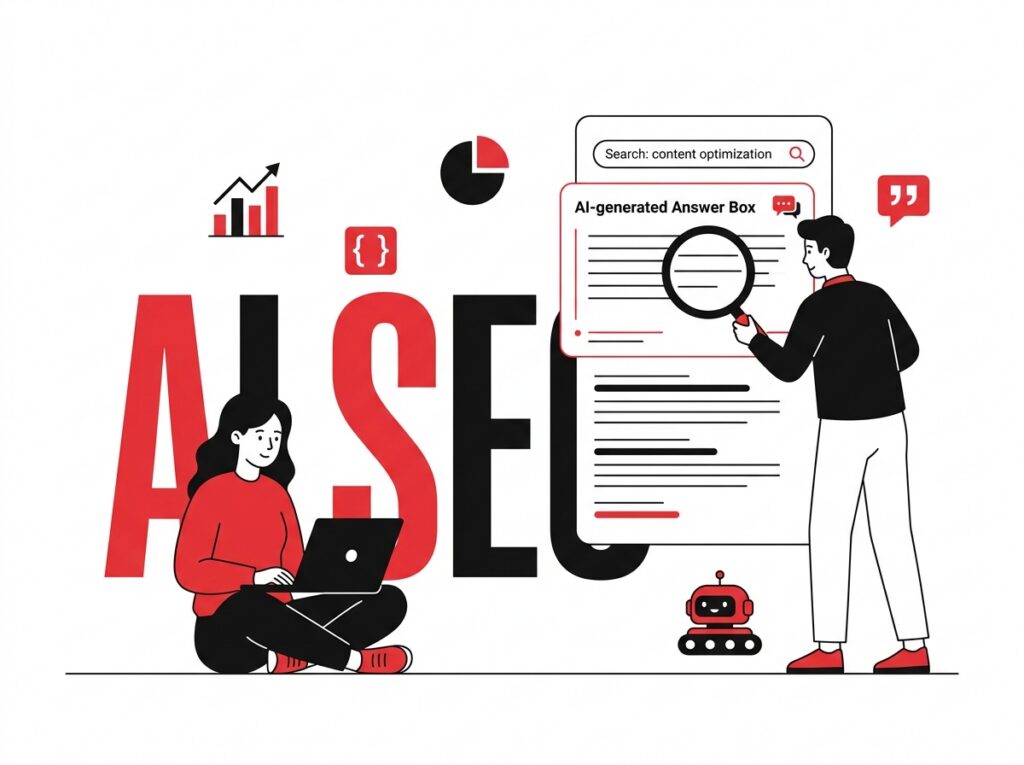
Crowdcreate structures your content so ChatGPT, Perplexity, Google AI Overviews and Gemini cite your business by name. We pair AI SEO with answer engine optimization and generative engine optimization to keep you visible as search moves from blue links to AI-generated answers.



Since 2014, Crowdcreate has built a vetted network of SEO specialists, content strategists, digital PR contacts, and growth advisors across 600+ projects. The agency has developed a structured AI SEO framework that includes media placements, thought leadership content, digital PR campaigns, backlink development, and brand authority building. No other agency connects you to that depth of verified SEO and AI search expertise.
We rewrite and rebuild pages so answer engines can extract a direct answer in the first two sentences. This includes question-based headings, FAQ schema, and fact-dense paragraphs that ChatGPT and Google AI Overviews can quote without ambiguity.
We make your brand a recognizable entity across the sources AI models pull from: organization schema, Wikipedia and Wikidata presence where eligible, consistent business naming across directories, and third-party citations that corroborate your claims.
We audit and configure robots.txt and server rules so GPTBot, PerplexityBot, ClaudeBot and Google-Extended can crawl your site. A site that blocks AI crawlers cannot appear in AI answers regardless of content quality.
At Crowdcreate, we combine technical SEO with answer engine optimization (AEO) and generative engine optimization (GEO) to keep your business visible across Google, ChatGPT, Perplexity, and Google AI Overviews. Our team builds AI-citable content and entity authority alongside standard ranking work, so you are not optimizing for search engines while AI answer engines pass you over.
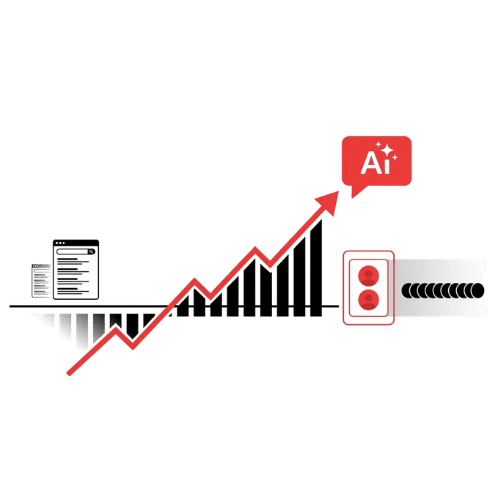
AI search visits grew from 15.6 billion to 27.4 billion between Q1 2025 and Q1 2026, a 42.8% year-over-year increase, while Google search visits grew 2.4% over the same period (Contently, May 2026, citing Semrush data).
AI search visitors convert at 4.4 times the rate of an average organic visitor, because they arrive after reading a synthesized comparison rather than a single search snippet (Semrush, cited in Contently, May 2026).
AI engines typically name 2 to 4 brands per buying query, compared with the 10 results on a standard Google results page, so each citation carries more weight than a single ranked link (Siftly, 2026 GEO guide).
From technical audits to schema markup and entity authority, our AEO and GEO strategies make sure your content ranks on Google and gets cited by ChatGPT, Perplexity, and Google AI Overviews.

Auditing and Analysis: eviewing your current search rankings and AI citation status across Google, ChatGPT, and Perplexity.

Keyword Research:Implementing FAQ, HowTo, and Organization schema so AI engines can parse and cite your content.

AI crawler access: Auditing and configuring robots.txt so GPTBot, PerplexityBot, and Google-Extended can actually crawl your site.

Entity authority: Building consistent brand citations and third-party mentions that AI models use to verify your business.

Answer-first content: Restructuring pages so AI engines can extract a direct answer in the opening sentences.

AI visibility tracking: Monitoring citation frequency and referral traffic from ChatGPT, Perplexity, and Google AI Overviews.



We here at Crowdcreate help businesses get found by both Google and AI search tools like ChatGPT and Gemini. Our guides below cover AI SEO, answer engine optimization (AEO), and generative engine optimization (GEO), so you can see exactly what it takes to get ranked and cited.
Answer engine optimization is the practice of structuring content so AI-powered platforms, including ChatGPT, Google AI Overviews and Perplexity, select it as a cited source when answering a user’s question directly.
Generative engine optimization is the discipline of managing how generative AI systems retrieve, summarize and represent your brand, covering on-page content, schema, and the off-site signals AI models use to verify a business.
SEO optimizes for ranking in a list of links. AEO optimizes for being the source an AI engine quotes or cites inside a generated answer. They share the same foundation of crawlable, authoritative content, but the target outcome and the way you measure success differ.
Yes. AI engines retrieve information from the same web that search engines index. Strong technical SEO and on-page SEO are what make a page eligible to be retrieved and cited in the first place.
Once AI crawler access and schema markup are in place, citation improvements are typically visible within four to six weeks, though this depends on the size of the site and the competitiveness of the topic.
We track citation frequency across ChatGPT, Perplexity, Gemini and Google AI Overviews, brand mention rate, referral traffic from AI platforms, and share of voice against named competitors.
Real estate, insurance and med spa businesses see the most direct benefit, since buyers in these categories commonly start their research with comparison questions inside ChatGPT or Google AI Overviews before contacting a provider.
No. AEO and GEO affect organic citation and visibility. They do not replace paid acquisition channels, though improved AI visibility can lower the cost of earning attention compared with relying on ads alone.