
Building a crypto community is unlike any other industry. Why? Because it requires a deep understanding of finance, culture, technology, crowd mentality, and more.
Throughout the years, we’ve seen the earliest examples of crypto communities with Vitalik Buterin and the early co-founders of Ethereum who gathered on forums such as BitcoinTalk. Today, most crypto communities exist on Twitter/X, Discord, Telegram, and private meetups in cities such as Dubai, Silicon Valley, New York, Thailand, Singapore, Bali, Switzerland, and more.
In this guide, we’ll break down the secrets & strategies to building a strong crypto community.
What is a Crypto Community?

A crypto community is a group of individuals with a common interest in cryptocurrency. Proven over the years to be a force to be reckoned with, the broader crypto community has pushed through various challenges especially when it relates to a cause they believe in. The recently concluded U.S. presidential election is an example of such.
Crypto communities consist of people who have a strong passion for NFTs, blockchains, DeFi, tokens, games, DAOs, and more. Every successful crypto project has achieved a breakthrough by harnessing the support of its communities.
Why is it important? What does it take? How is it done? When is the best time to do it? Which strategy can I employ? Who can help my project build a strong community?
All of your questions will be answered in this article.
What is Crypto Community Management?
Crypto community management is the art and the entire process involved in building, nurturing, and leading a crypto community toward a specific goal. It entails all the activities done to engage the community, support them, encourage contributions from the members, and foster collaboration among them. The idea is to create an environment where members feel among, to build up anticipation within them, and give them reasons to trust your project.
Community management is not a one-time job, it’s a continuous process starting from onboarding the first set of believers to being able to handle a larger group of interested people. One mistake that projects make is assuming that followers are the community. You can have a million followers on social media but not an actual community.
As a founder, the trick is to build a pipeline to convert followers to believers, thus growing your community. A solid & active community results in community-led marketing where a project relies on the support of its community members to promote its product. Good community management eventually evolves into community marketing.
Importance of a Crypto Community
Communities are very vital for crypto projects and building/managing a strong one is one of the challenges that founders face. Outlined below are a few reasons why communities are crucial to every crypto project:
- Advocacy, Awareness & Adoption: Every community usually starts with a small group of people who believe in the project’s vision and advocate for it through every channel and in any way they can. This small group spreads awareness for the project in other crypto communities, to friends, colleagues, and anyone they meet. With awareness and advocacy, this small group drives interest and adoption. The small group slowly becomes a larger community. Jupiter DAO awards certain long-term Jupiter advocates with grants to form their working groups and onboard more advocates.
- Education & Knowledge-Sharing: Communities help people learn about the crypto project and their vision. Superteam Earn, a Solana-based bounty platform incentivizes people to create educational content about projects building on Solana. Binance Academy is a smart approach that encourages the creation of crypto-related content that educates and informs the general public.
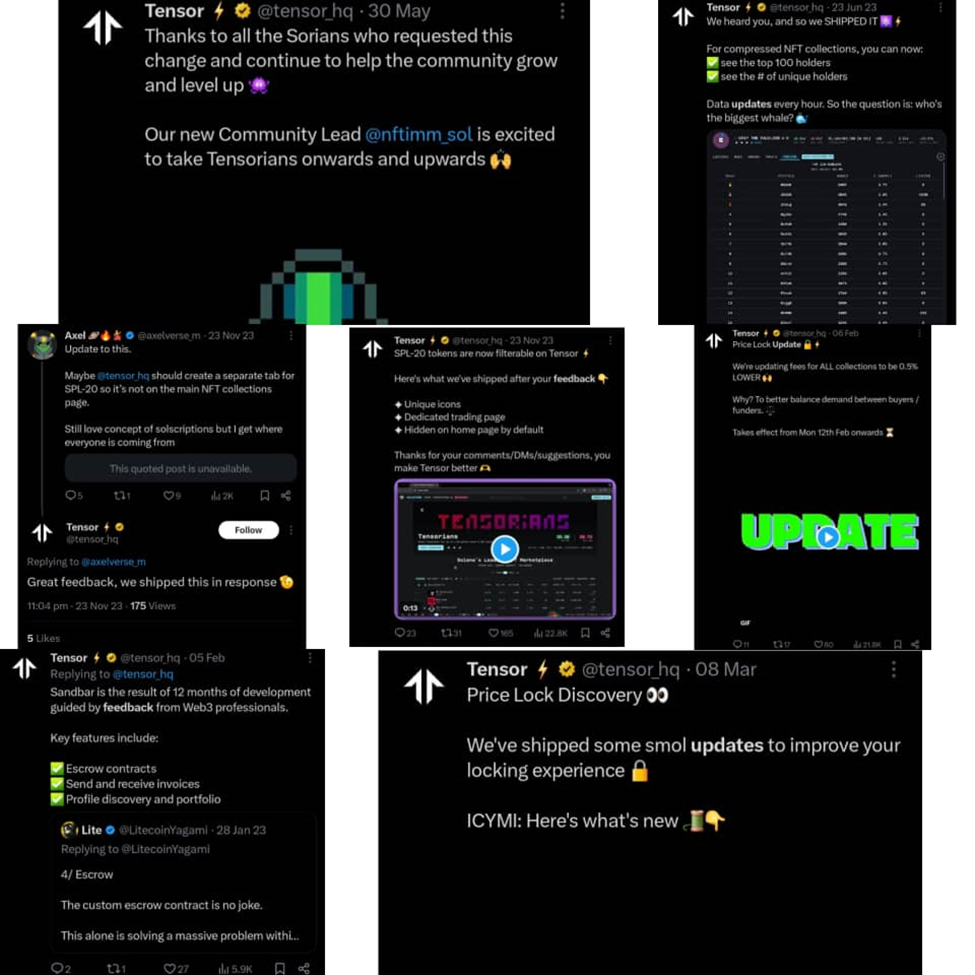
- Feedback & Insights: A good crypto project listens to feedback from users & developers while exploring ways to implement them. While not every feedback from communities can be implemented, it’s always important to ask for and consider them. Some interesting features of various projects were insights and feedback given by community members. Tensor, an NFT marketplace is a project that regularly takes and implements feedback from their community to improve their experience.
- Decision-Making Process: Some crypto projects usually require community members to participate in decision-making processes by enabling voting for or against an initiative. Octant is a community-driven platform that enables users (who lock a certain token – GLM) to vote on Ethereum public goods projects that’ll receive grants in each epoch.
- Collaboration & Contribution: Community members can independently contribute to the project and collaborate to create initiatives.
- Meaningful Partnerships: Community members with ties to other crypto projects can push for beneficial partnerships between the two projects. Wormhole is an interoperability platform for blockchains that has partnered with multiple projects within the crypto industry.
- Developer Onboarding: One of the metrics that blockchains use to measure success is the number of developers who build valuable projects using their tech. This relates to the number of projects built on a blockchain. Many blockchains have grants used to incentivize developers to build on their tech. A good blockchain community can organically onboard developers. Solana is a perfect example of a crypto project that regularly onboards developers through community initiatives and grants.
Platforms to Leverage in Building & Managing Crypto Communities
Crypto communities often exist online (some also host offline meetups), so projects must be chronically online to build communities. These are some platforms (social media & messaging platforms) that crypto projects leverage to build and manage their communities:
- This is the most popular social media platform that crypto projects use. Over 95% of crypto projects have a Twitter presence which is higher than other social media platforms. Most of these projects utilize Twitter as the only social media platform for their online presence.
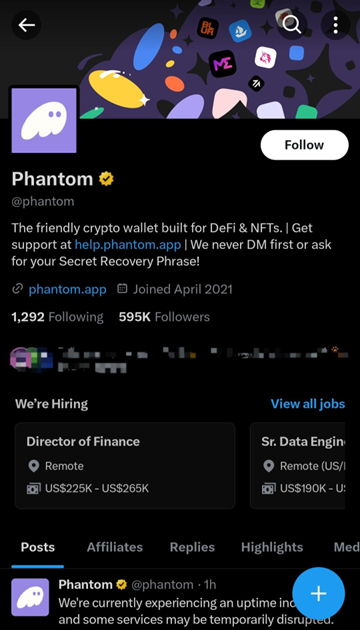
Twitter is the best place to start a new crypto project as it’s a great tool for building interest in one’s project. It is also advisable that founders and other team members of a project have a Twitter presence to help bullpost, tweet about updates, and educate the wider audience about their product. Twitter is used to grab attention, educate newbies about a project, share information, cultivate user-generated content (UGC), and turn random followers into die-hard community members.
Why do crypto projects use Twitter?
- Twitter has over 580 million active monthly users worldwide which gives crypto projects access to a global audience.
- Twitter is most popular for people of a certain age group popularly referred to as Gen Zs or Zoomers. This group are people born into the Internet age and in time of technological advancements like AI. Crypto is also more popular among this age group. As a crypto project, it is important to tweak your tech/product to be simple and less technical for this group of users. This article gave an insight into why Gen Zs will lead crypto innovations and how projects can onboard them.
- Twitter is gradually becoming the best social media platform for global news and real-time updates, including technological advancements like crypto. It’s the best social media platform to carry out research and get crypto-related information. Crypto projects strive to have an active presence there.
- The overall state of CT users most times affects the prices of certain cryptocurrencies. A bullish period on Twitter can raise a project’s token price.
- Investors are on Twitter and this gives crypto projects more reasons to show up there.
Discord
- Discord is a platform for nurturing communities. Over the past years, it has become very popular in crypto communities. Discord servers allow projects to create channels for specific topics.
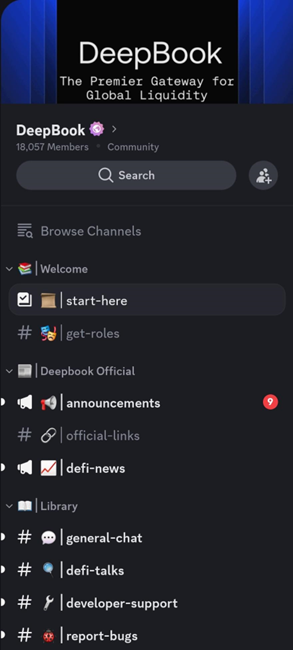
There can be channels for announcements, general chat, local communities, rules, feedback & suggestions, contributions, weekly games, FAQs, submissions for contests, periodic reports, and memes, depending on what a project needs. Discord is used to engage with community members, encourage collaboration between members, put out announcements, host contests, ask for feedback, share developments, etc.
Why do crypto projects use Discord?
- Real-time communication: As an instant messaging app, Discord enables discussions and personalized communication among members. Crypto projects use Discord to build a close relationship with their members.
- Organization: Channel is a feature on Discord that allows companies to section discussions based on the topics. For crypto projects, there is a large influx of information to be passed around on a daily, weekly, or monthly basis. Using Discord helps in categorizing those information and messages instead of having them all in one place as that can overwhelm the community members.
- Server-member cap increase: Discord, originally allows 250k members per server. However, if your project has exceeded that limit, you can send in a request to have your server’s member size limit capped at 500k. Here’s a guide on how to increase your server member size limit. This is important for crypto projects with a very large community.
- Bot integration: The ability to integrate bots in servers is a very vital reason why crypto projects leverage Discord. Bots can help automate tasks like warning/banning members who deviate from the specified guidelines or send scammy links to the channels. Bots can be a great pointer to the project’s resources by executing custom commands that have been programmed. Bots can direct new users to the relevant channels. Bots can regularly update community members about events, upgrades, or announcements. Bots can be used to assign and remove roles.
- Support: Discord is a great place for users to ask questions about how to use a crypto product and get immediate responses as other members are always active.
Telegram
- Telegram is a messaging platform that crypto projects leverage to foster communities. A project can also create channels within Telegram group chats for specific purposes.
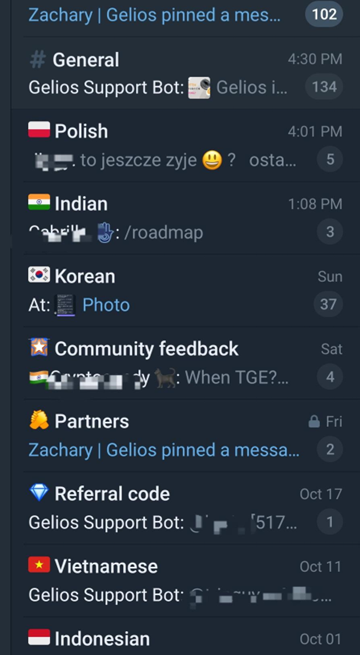
Why do crypto projects use Telegram?
- As of July 2024, Telegram had more than 950 billion monthly active users. It is one of the most popular instant messaging apps and thus, gives crypto projects a global reach.
- TON – Telegram’s blockchain: The Open Network (TON) is a blockchain that was launched by Telegram in 2019 but it garnered attention in 2024 with the launch of several tap-to-earn projects like Notcoin building on it. As a crypto project, especially one looking to launch on TON, leveraging Telegram creates broader access to Telegram users who are not in the web3 space.
- Large member capacity: Telegram has a 200,000 member limit per group which is great for crypto projects with thousands of users.
- Bot integration: “Rose,” a popular group management bot used on Telegram by crypto projects helps in welcoming users with personalized messages and giving them a captcha to prove they are real humans, deleting messages perceived as scammy, and many other activities. Here’s a simple guide on how to set up Rose for your Telegram group.
- Channels: Channels can also be created on Telegram to organize communication.
Forums
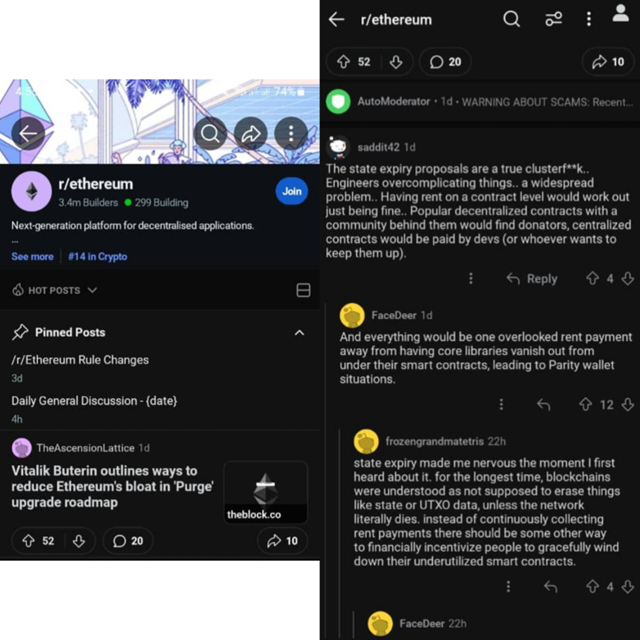
Reddit is an online platform that people use to discuss various topics. Some crypto projects create specific subreddit channels that allow anyone to raise a subject and others can discuss it. A lot of crypto projects developed in the past cycles used Reddit and other online forums to create communities and have discussions.
Effective Strategies to Build and Manage Crypto Communities
In this section, we’ll dive into the tested strategies that have proven effective for crypto projects to build and manage their communities.
Have a Clear Message:
The best time to get your message out there as a crypto project is when you’re just starting. This involves being transparent about what your project is, what it aims to solve, long & short-term goals, and upcoming launches. Creating documentation and/or whitepapers (some projects use litepapers) that outline all of the above is a great way to start as it gives interested people an idea of what your project is looking to solve. Whether you’re building an NFT collection, a staking platform, a crypto wallet, or a prediction market, it’s important to be transparent about your vision.
It also helps community members in advocating for your project. Having top voices within your community greatly helps. These are people knowledgeable enough, well-informed, and are actively on social media. They help constantly educate people about your project, correct misinformed opinions, publicly support other community members, and show people the importance of joining your community. For example, Mert Mumtaz, founder of Helius Labs is a top voice and strong advocate of Solana. Ryan Sean Adams, founder of Bankless is a top voice and advocate of Ethereum
Leverage Twitter:
Choosing the best social platform(s) to show up on is crucial. Among all the social media platforms that can be explored for crypto projects, Twitter has the most influence. The majority of the entire population of crypto users are on Twitter, known as “Crypto Twitter,” CT for short.

Credit: Digital Marketing Institute
Twitter is vital for community building because it is the hub for many crypto activities, a great source for crypto-related resources, a hotspot for real-time news & updates, and a channel for crypto analysis & predictions. Tweets from notable personalities have been known to affect the price of certain cryptocurrencies. In the past, tweets from Elon Musk affected the price of DOGE, a memecoin. “Pump my bags” and “Just looking out for my bags” are phrases that were popularized by CT during the U.S. presidential election as the community placed their bet on Donald Trump for the sole reason that he appeared more crypto-friendly than the other contestants. Bitcoin reached a new all-time high of $75,000 a few hours before the election results were announced. Suffice it to say that Twitter and Crypto have a profound connection.
As a crypto project, you can’t afford not to be on Twitter. Here’s what you need to do.
- Have a concise bio: As a crypto project, your Twitter bio should be concise, yet pass across your intended message. It should contain relevant links to resources (website, whitepaper, etc) that people can visit to learn more about your project.
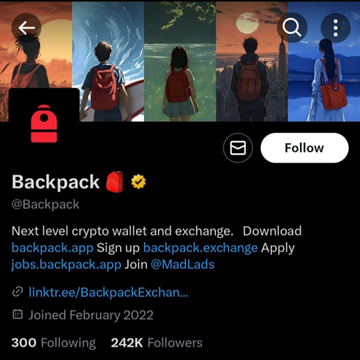
From the screenshot above, users can easily tell that BackPack is a crypto wallet and exchange. The direct link to download the wallet mobile app is on the bio as well as the link to sign up for the exchange. A Linktree link which is a one-stop source for every resource on Backpack is also in the website category of the Twitter bio.
- Consistent posting: Twitter is an attention game. It isn’t necessarily about being the first-time mover but being the attention grabber. Your project needs to be in the faces of your intended audience and that involves consistently posting. This includes leaving reasonable comments under the posts of other projects as well as posting thought-provoking replies.
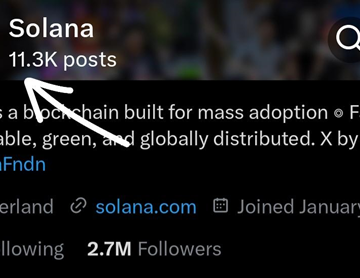
Solana, even with over 2 million followers still constantly posts on Twitter. Regarding what type of content to post, we’ll discuss that in detail soon.
- Have a good intern: “Interns” as they are so-called on CT are what we know as social media managers. As a crypto project looking to start on Twitter or up your game, you need to hire a good intern who doubles as a reply guy. A reply guy, in the crypto sense, is someone who constantly replies to posts of other people or projects in a bid to build authority, get noticed, and direct attention to the projects they represent. A good intern doesn’t spam, rather he/she is versed in the various aspects of crypto to drive meaningful conversations or contribute to existing conversations in comment sections. A good intern excels at correcting misconceptions or FUD about the project. A good intern needs to be chronically online to know the latest trends and happenings. This thread gives a solid guide on what to look out for when looking to hire an intern for your crypto project.
- Founders and team members being present on Twitter: As a founder, it is important to have a personal profile on Twitter to build authority as a thought leader. Nobody likes a ghost founder (except for maybe, Satoshi). Being active on Twitter as a founder helps build trust in your project, allows you to constantly educate people about your project & answer questions about your roadmap, reach out to more investors, network with other founders to form partnerships, and generally share milestones. Aside from the founders, team members need to have their profiles and become active on Twitter to boost the morale of the community members and enhance engagement.
